
Benin Bronze
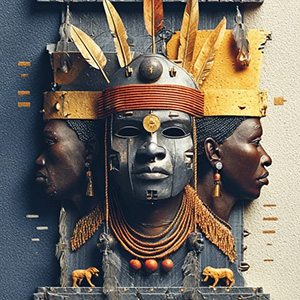
The Benin Bronze style transforms the subject into a high-relief Benin Court bronze plaque.


The Benin Bronze style transforms the subject into a high-relief Benin Court bronze plaque.
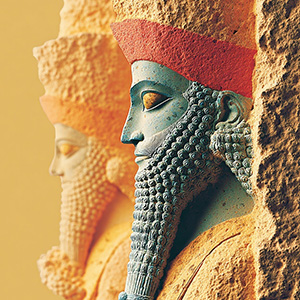
The Achaemenid Relief style reinterprets the figure as a shallow limestone carving framed by fluted columns, lotus capitals, and winged Faravahar emblems.
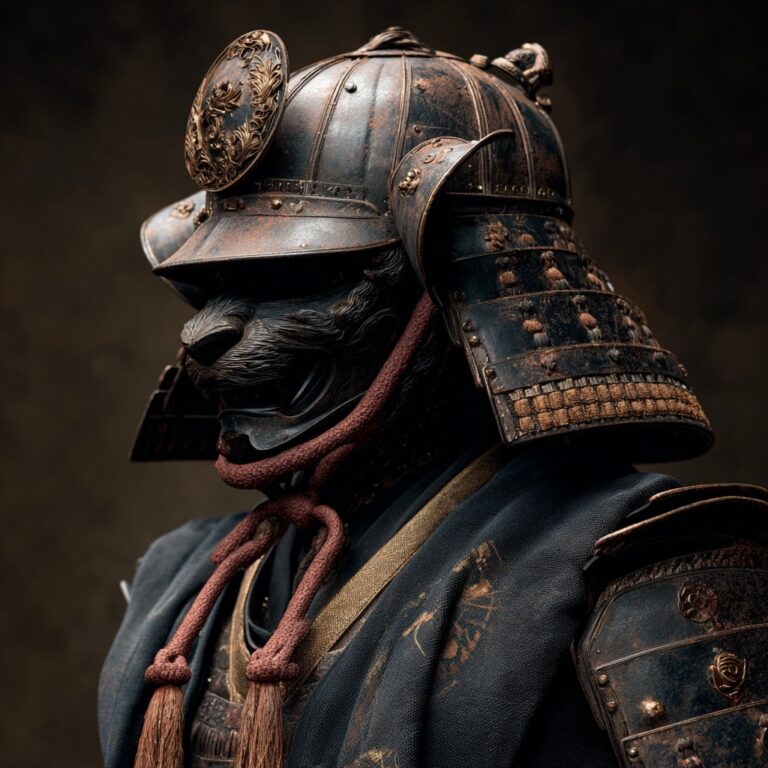
A style rooted in the honor and discipline of feudal Japan, featuring figures clad in intricate samurai armor, layered with lacquered plates, helmets, and flowing cords.

This style is inspired by the monumental stone statues of Easter Island, with faces carved from weathered volcanic rock. Figures are massive, stoic, and timeless, standing as guardians of memory and mystery.
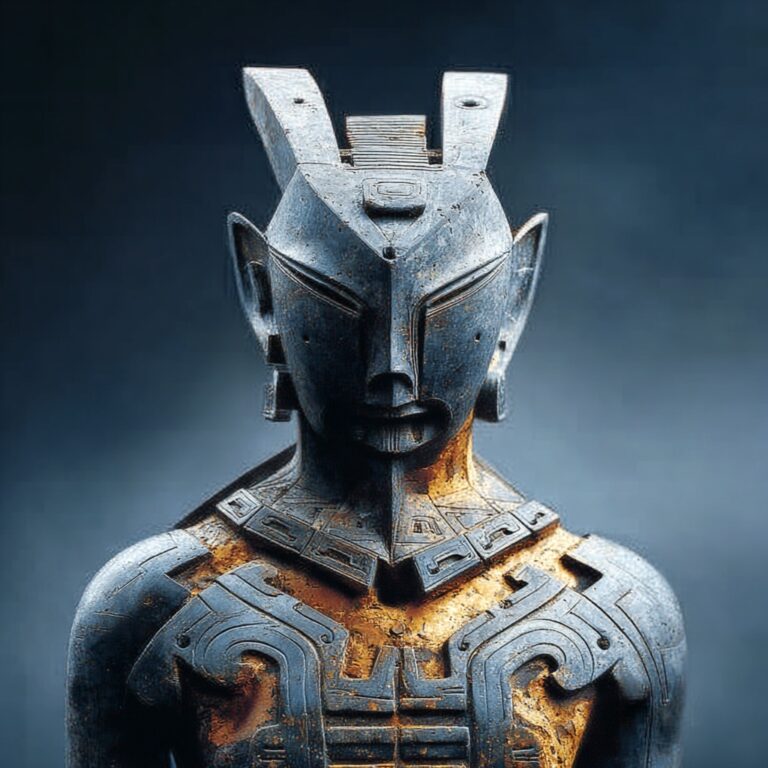
This style draws from the mysterious bronze masks and statues of the Sanxingdui civilization. Figures take on elongated faces, exaggerated eyes, and angular geometric forms, often with ritualistic headdresses and abstract motifs.
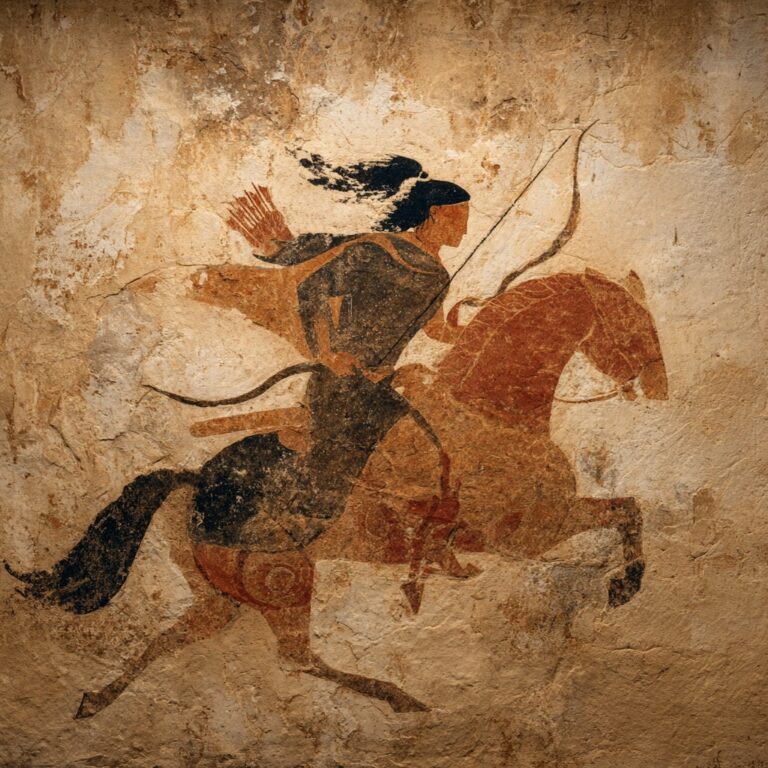
This style captures the spirit of ancient wall paintings and warrior traditions. Figures are depicted in raw, dynamic poses, hunters, riders, and warriors etched into stone or painted onto weathered surfaces
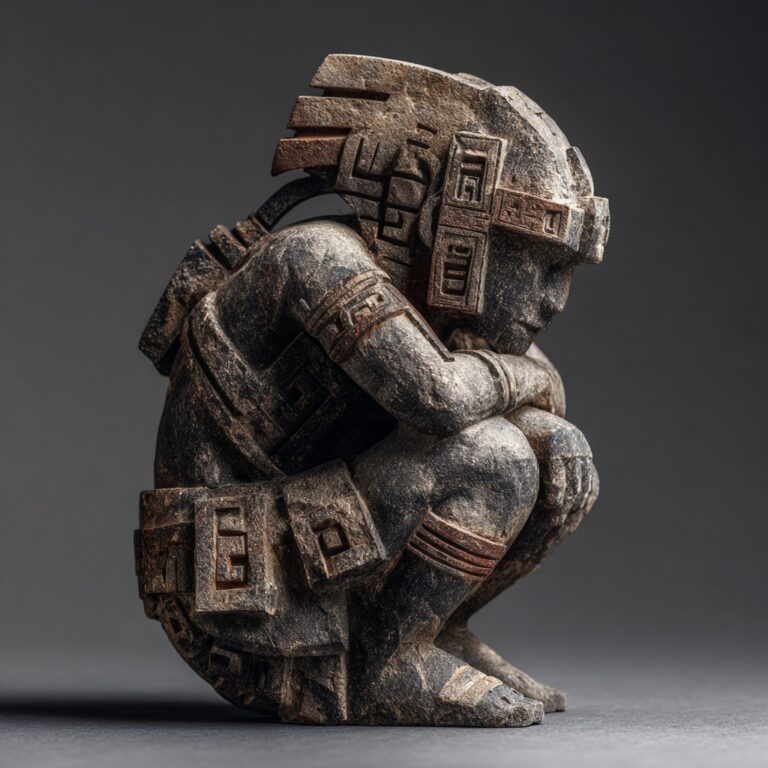
This style channels the timeless strength of Mesoamerican sculpture. Figures appear as if carved from volcanic rock and weathered stone, adorned with intricate glyphs, stepped motifs, and regal headdresses. Cracks and erosion reveal their ancient endurance, embodying both spiritual reverence…
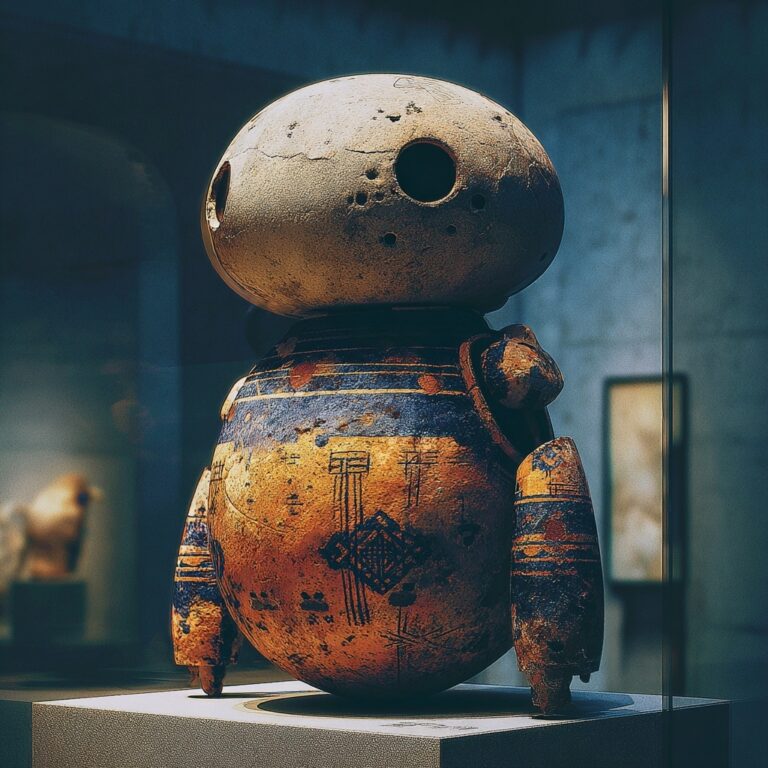
This style channels the spirit of Japan’s ancient Jomon period, with figures resembling clay dogū and sacred guardian idols. Sculptural forms are marked by swirling patterns, exaggerated armor, and primal energy, as if unearthed from ritual sites and temples.
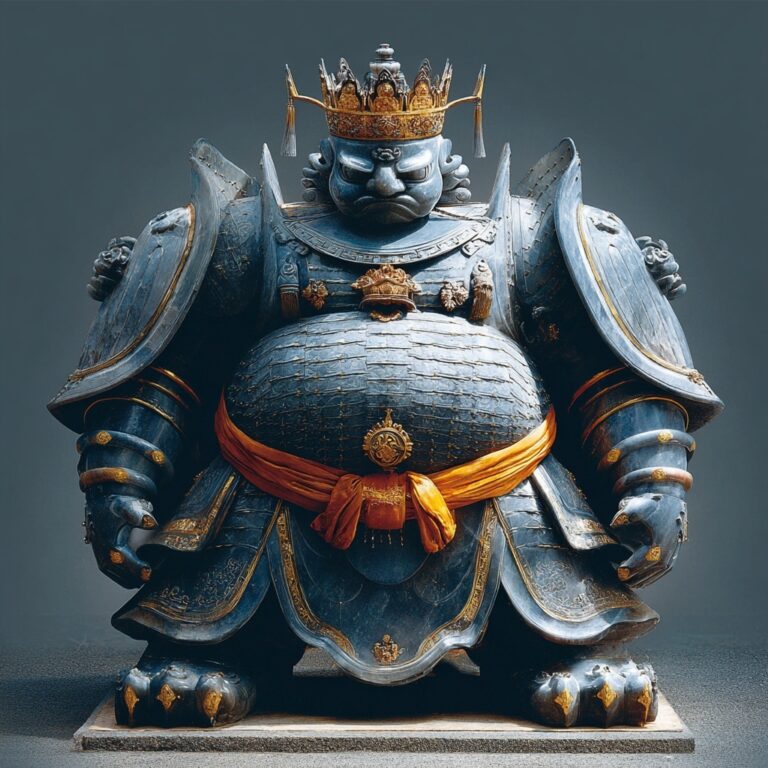
This style evokes the grandeur of dynastic guardians and celestial protectors, adorned with ornate armor, dragon motifs, and imperial crowns. Figures resemble monumental statues infused with divine power, radiating authority, discipline, and eternal vigilance.
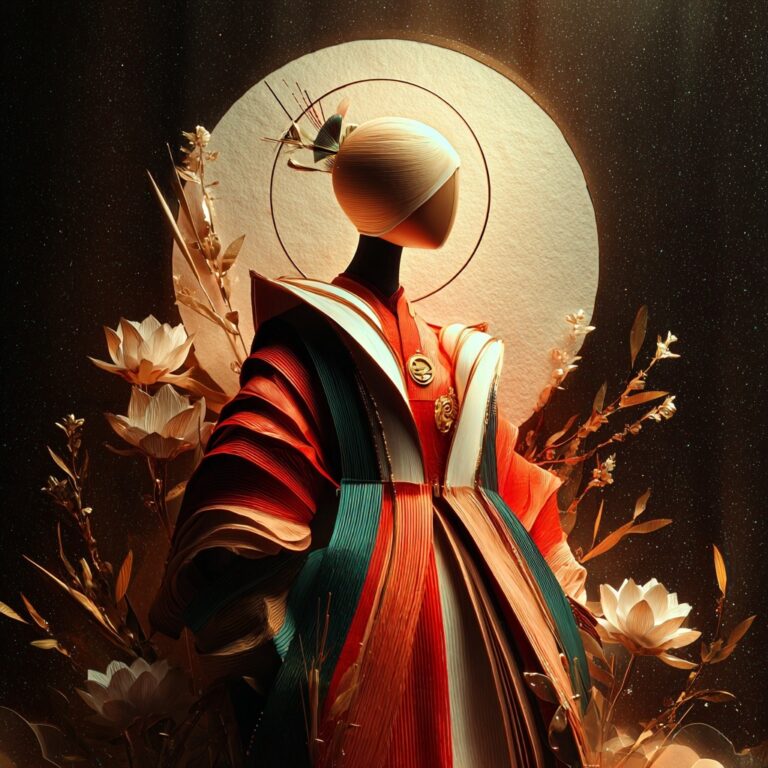
This style reimagines the subject as a ceremonial protector from Japan’s Heian era, draped in layered silk robes, ornate crests, and divine motifs. Figures appear regal and spiritual, embodying elegance and authority through timeless courtly guardianship.