
Expressionist Form
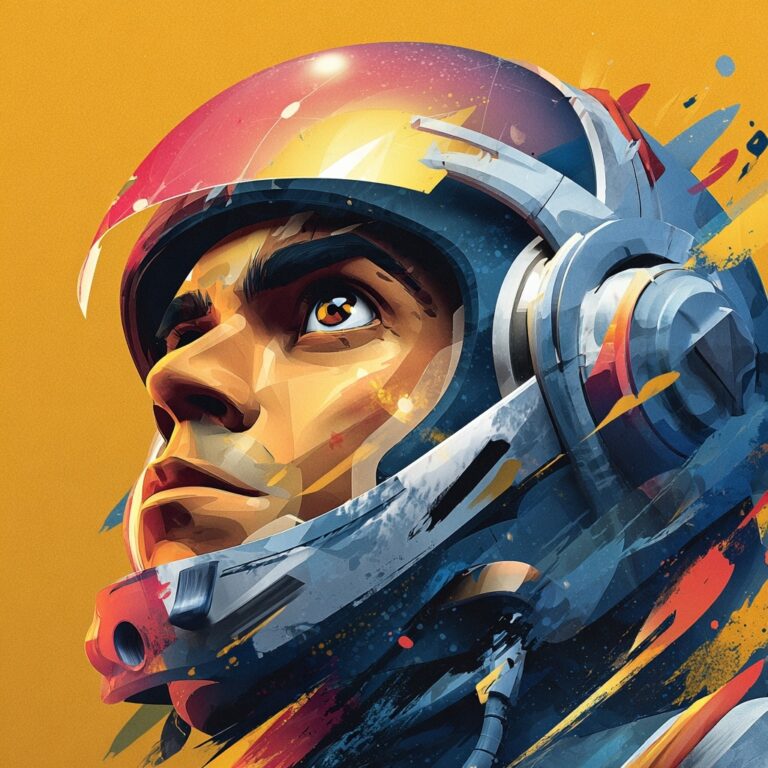
An expressive visual composition rooted in the expressionist tradition.


An expressive visual composition rooted in the expressionist tradition.
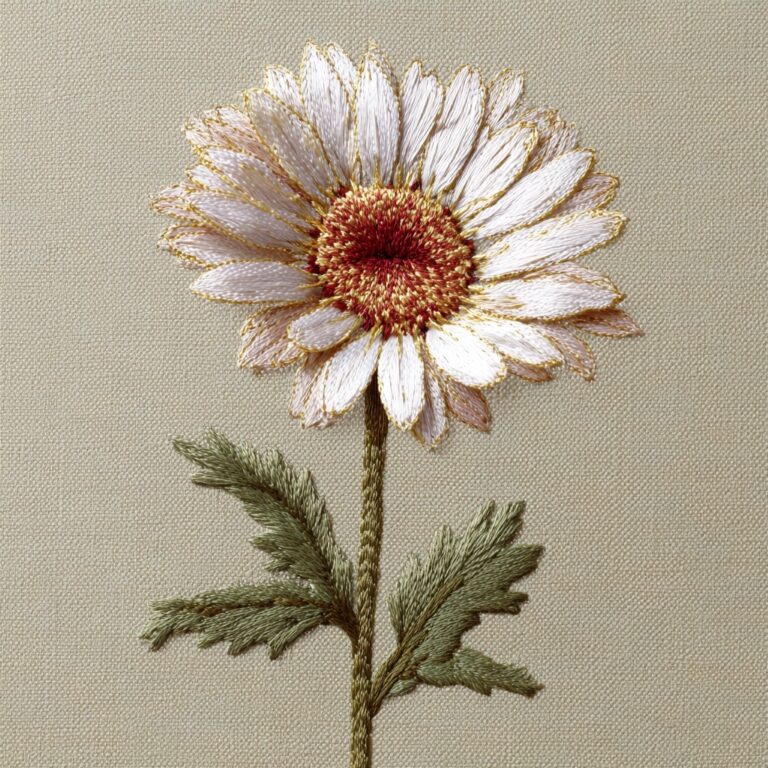
A detailed embroidery artwork style while preserving its overall shape and defining features.
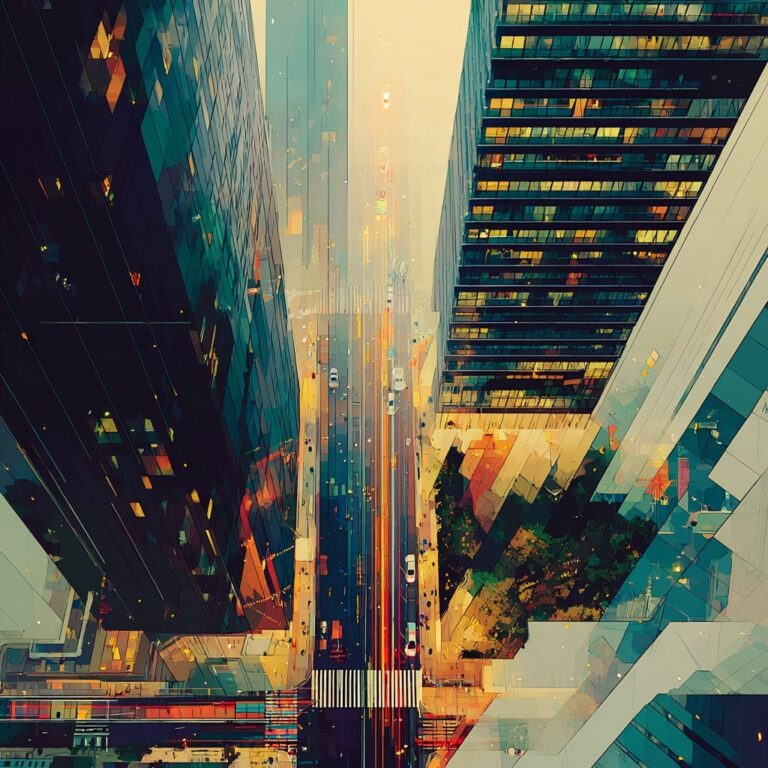
A fractured visual style inspired by cubism, breaking subjects into angular planes, overlapping shapes, and layered perspectives. It highlights abstraction, geometry, and multiple viewpoints within a single image.
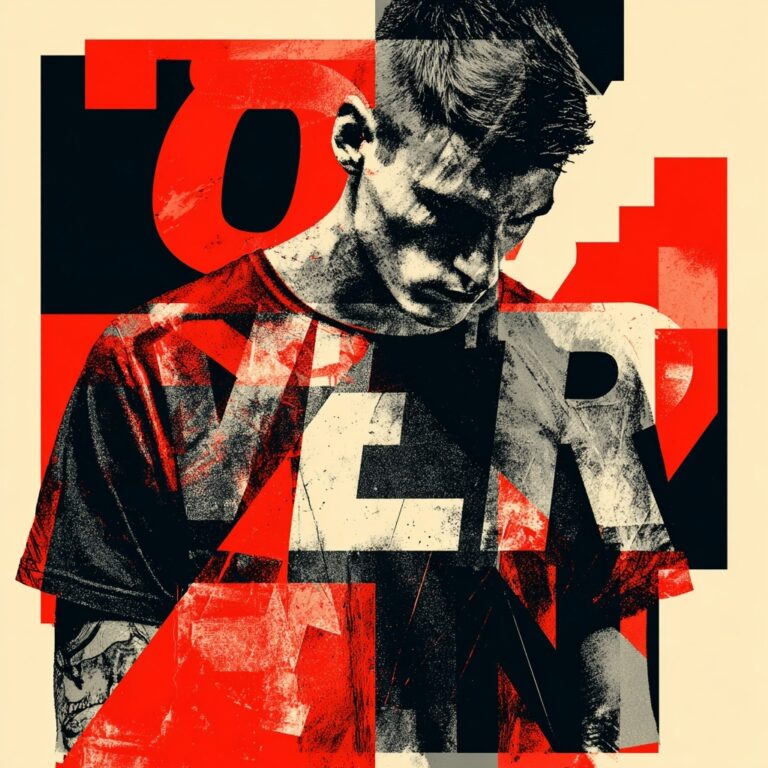
A bold geometric style inspired by early 20th-century constructivism, using sharp lines, abstract shapes, and limited color palettes. It emphasizes structure, movement, and dynamic visual energy.
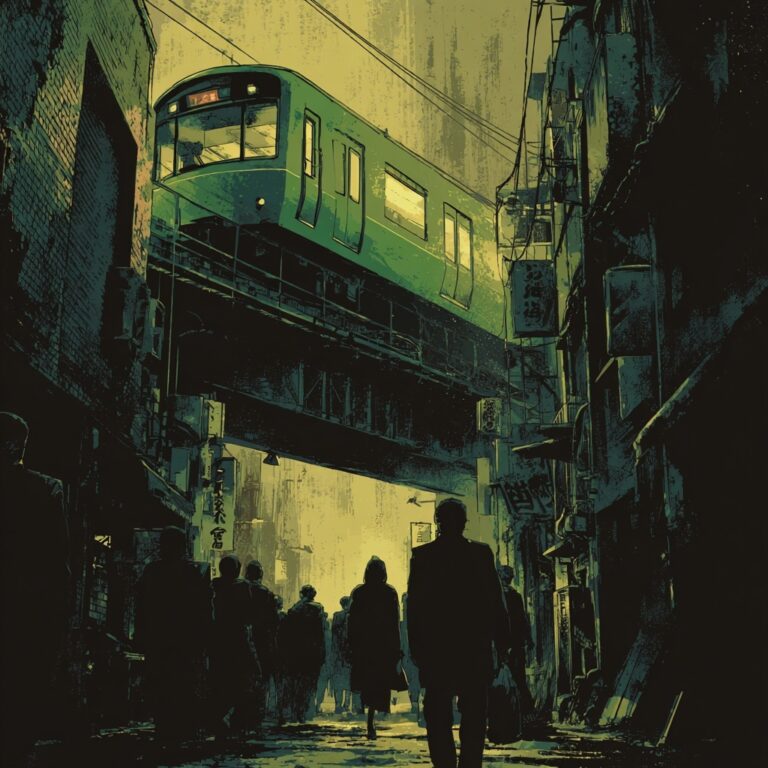
A moody graphic style with dark shadows, gritty textures, and cinematic contrasts. It blends comic-book boldness with noir atmosphere, evoking mystery, tension, and urban drama.

A layered aesthetic built from torn paper, textures, and fragments, forming portraits, objects, and scenes. It blends realism with abstraction, evoking both handmade craft and contemporary visual storytelling.
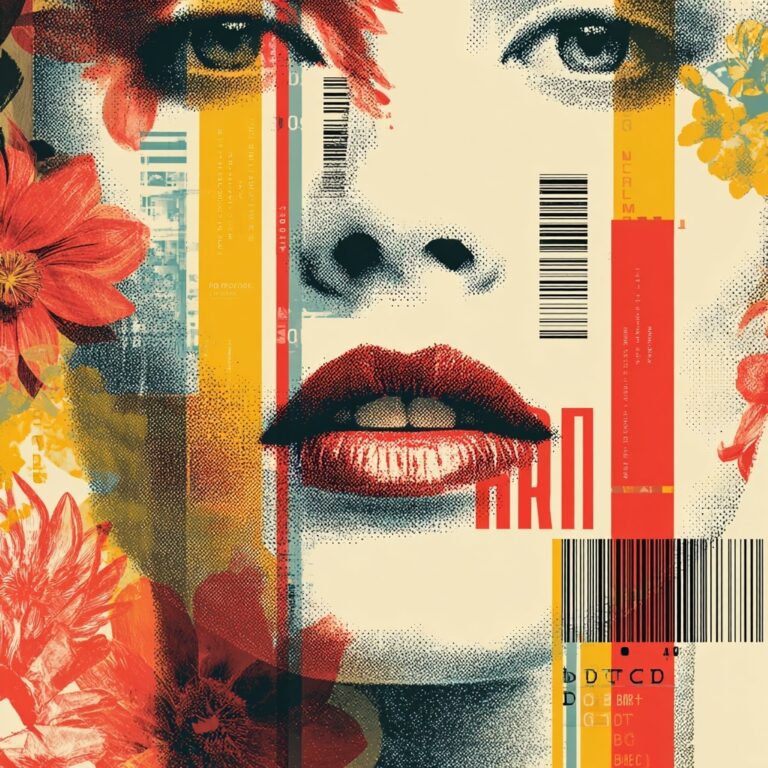
A fusion of humanity and data, where faces, objects, and nature are interwoven with barcode strips and digital glitches. It reflects the tension between individuality and commodification in a world of constant scanning and surveillance.
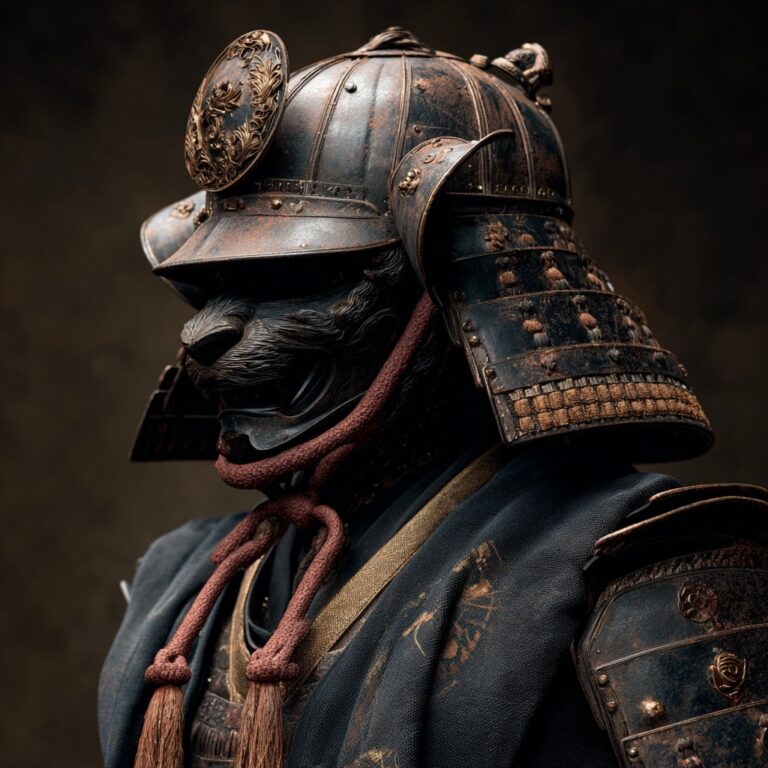
A style rooted in the honor and discipline of feudal Japan, featuring figures clad in intricate samurai armor, layered with lacquered plates, helmets, and flowing cords.
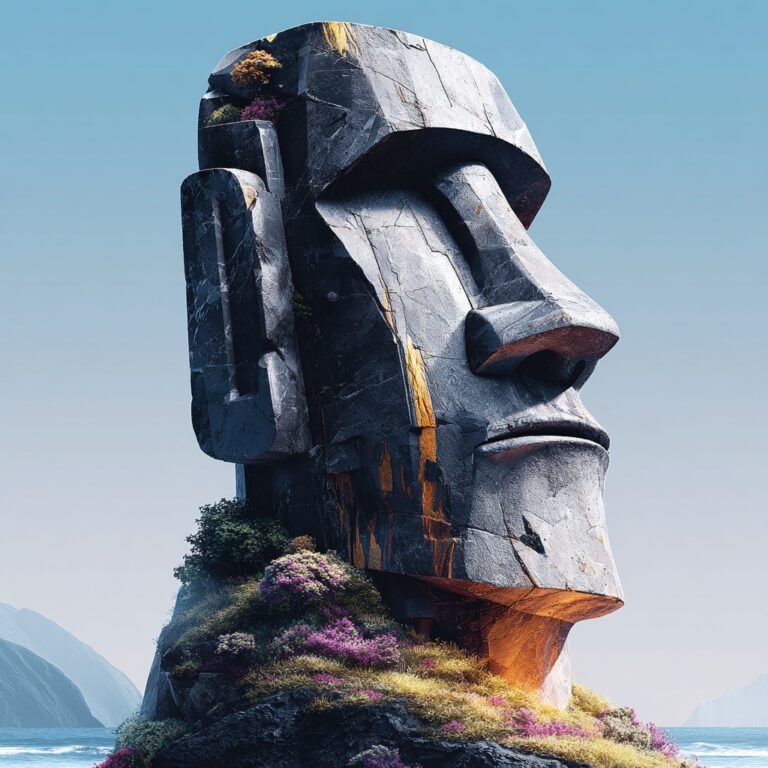
This style is inspired by the monumental stone statues of Easter Island, with faces carved from weathered volcanic rock. Figures are massive, stoic, and timeless, standing as guardians of memory and mystery.
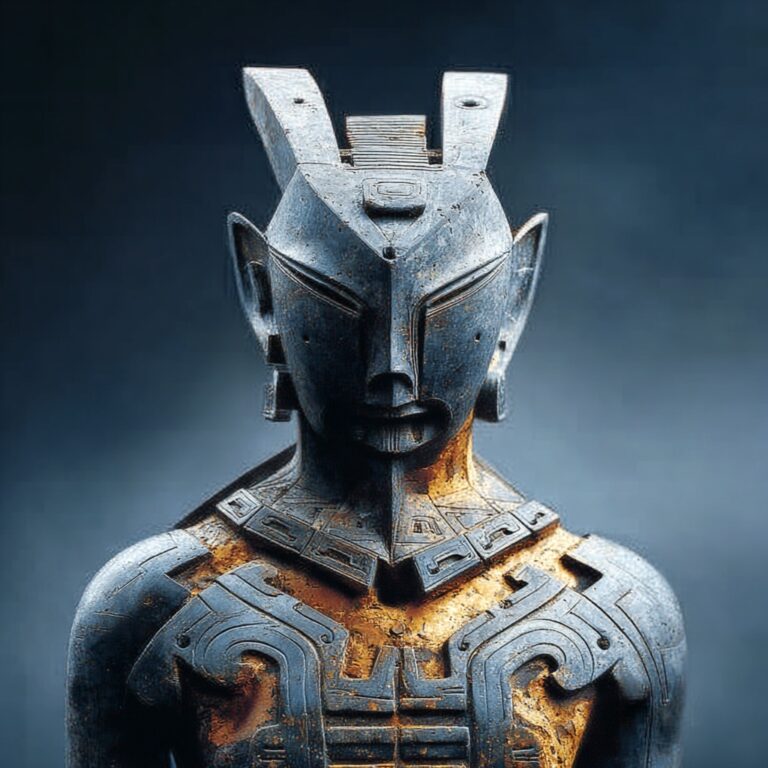
This style draws from the mysterious bronze masks and statues of the Sanxingdui civilization. Figures take on elongated faces, exaggerated eyes, and angular geometric forms, often with ritualistic headdresses and abstract motifs.